20 years ago, opening a normal bank account used to take a couple of weeks, multiple visits the bank, and one had to scout for two guarantors who can vouch for your identity. A lot has changed since then. Opening an account hardly takes 30 minutes now. You may not even need to go to the bank. At the heart of this transformation lies effective identity management. Whether opening the account online or through a bank branch, the process involves digitally validating you and verifying your documents.
This blog captures the basic foundations of identity management.
- Identity has evolved from physical to digital: What once relied on in-person verification and paper documents has transformed into fast, digital-first identity validation, enabling remote access to services like banking and public utilities.
- Physical and digital identities complement each other: Physical identities provide tangible trust in real-world scenarios, while digital identities enable speed, scale, and convenience—but also introduce new security risks.
- Multi-factor Authentication bridge the trust gap offering stronger, fraud-resistant, and risk-adaptive authentication beyond passwords.
- Biometric identity management enables secure, future-ready ecosystems: Across fintech, travel, healthcare, and enterprise access, biometric solutions deliver scalable, compliant, and high-confidence identity verification for modern digital interactions.
Identity refers to unique attributes that identify and distinguish people in both the real and virtual worlds. As the names suggest, physical identities pertain to tangible and biological elements, whereas digital identities use electronic data. Both concepts seem clearly separate and yet converge to create the holistic idea of a person’s identity.
Digital identity refers to digitally verifiable data that includes user credentials, device data, and behavioural patterns. One or more of these elements are used to authenticate a person and grant various levels of access to applications and data. They are widely used in several domains to secure digital applications, manage interactions, and prevent fraud.
The Role of Biometrics in Creating a Holistic Identity
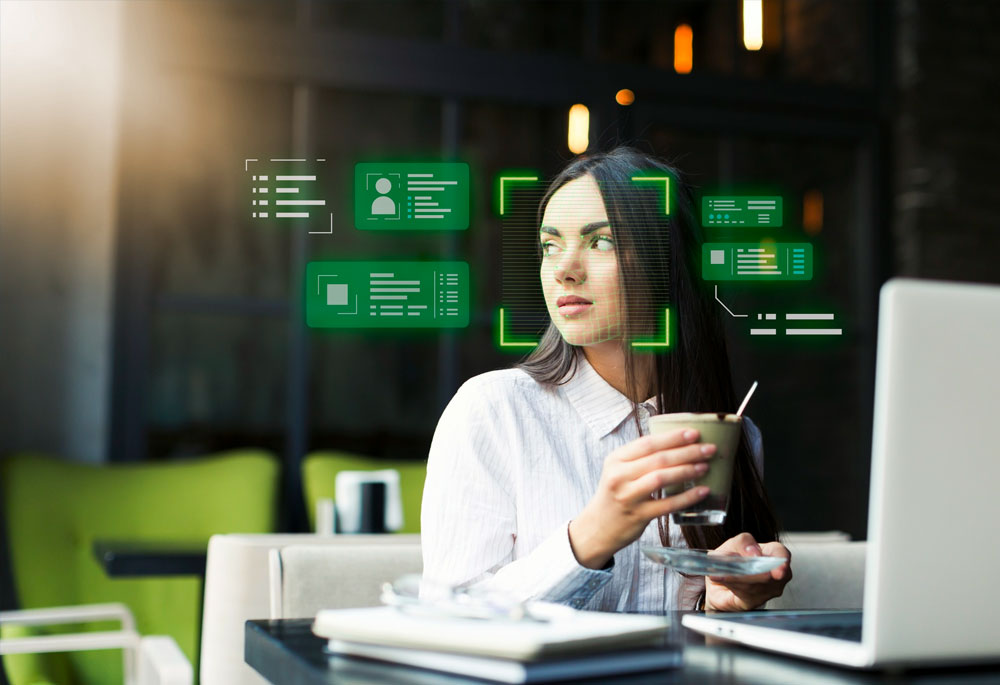
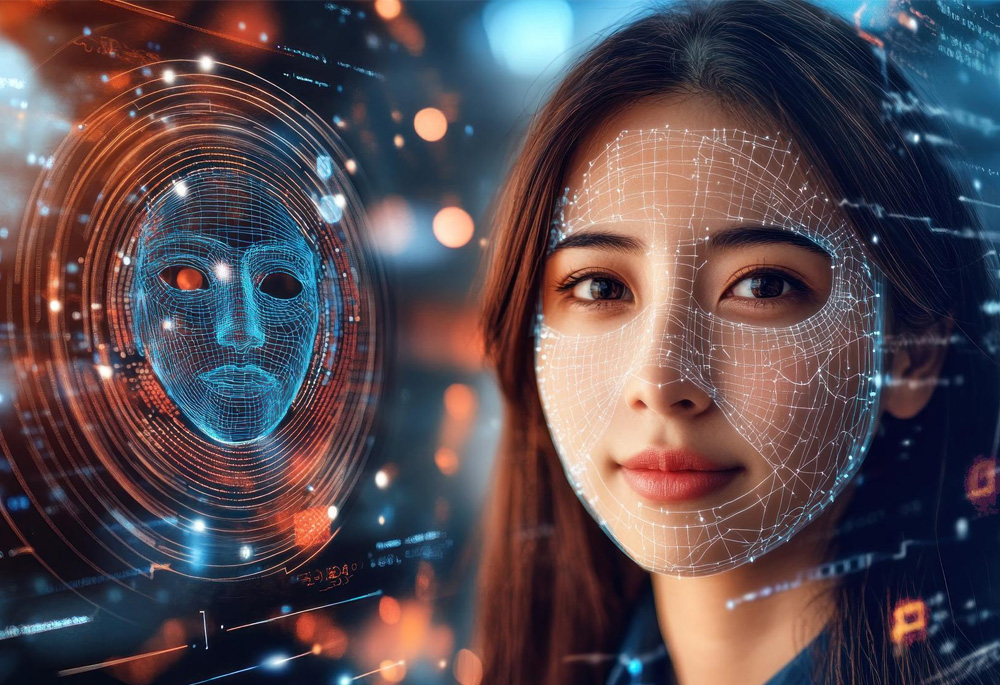
Biometrics—physical traits digitized for verification, such as fingerprints, facial recognition, or iris scans—link physical and digital identities seamlessly. Liveness checks defeat spoofs like photos or masks, while behavioral biometrics analyze patterns like typing or gait for continuous authentication.
As a biometric identity management provider, our solutions integrate these for risk-adaptive verification, ensuring compliance in fintech, onboarding, and high-risk environments.
Everyday Applications of Physical Identities
Physical identities form the foundation for in-person verifications, especially in situations where the customer is not tech-savvy or workflows are not yet digitalized. For example, to open a new bank account in-person, a customer visits the bank, provides identification documents such as passport or any identity document validated by the government. Today’s banks might also ask for an identification number linked to the customer’s biometrics or basic biometrics like fingerprints or IRIS. These methods ensure trust through immediate, hands-on proof but remain constrained by location, susceptible to issues like lost cards, and are time-taking.
Everyday Applications of Digital Identities
Digital identities drive virtual operations, such as entering banking apps with login details or confirming purchases via texted codes. Online communities use them to customize feeds based on user habits, and public services deliver e-forms for benefits without visits. Their strength lies in instant, worldwide connectivity, though they grapple with online scams and stolen credentials that demand constant updates.
How Did Digital Identities Evolve?
Earlier software applications authenticated persons with just username and password. This remains the most common mode for everyday applications like email and social networking sites.
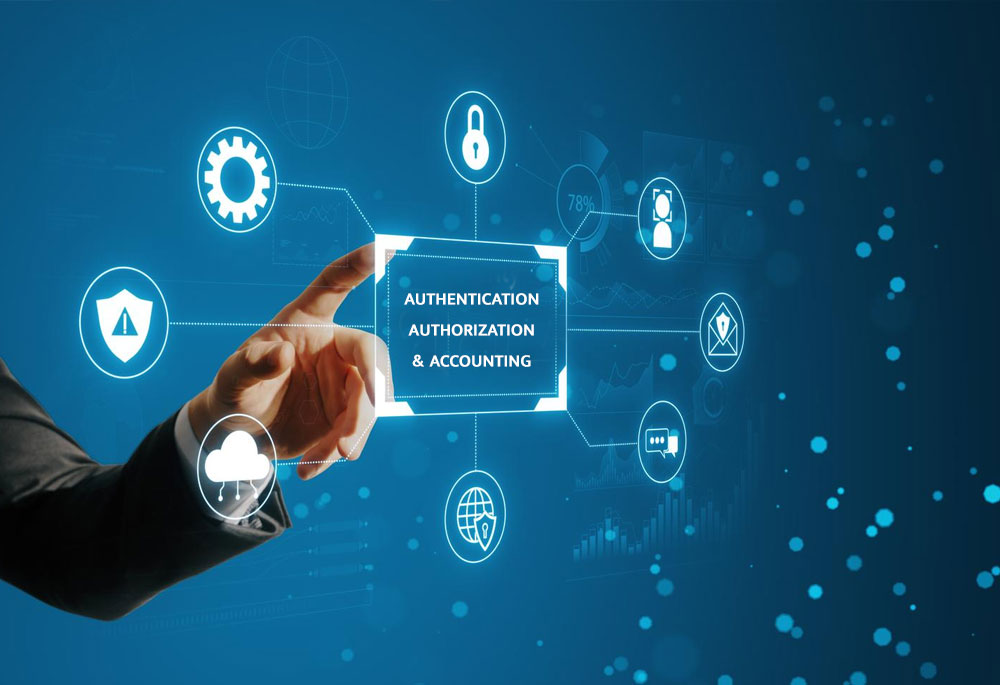
Passwords can be shared, forgotten, or misused, so relying solely on them fails for reliable authentication, especially in critical processes. An extra layer of protection such as one-time passwords (OTPs), has been introduced which adds protection for high-risk actions like transactions from new devices or locations. This is called the Multi Factor Authentication (MFA), where the user is asked to provide more than one layer of authentication mechanism such as Password + OTP.
OTPs improve security but fall short for high-value financial transactions or when channels like email or SMS have been compromised. This led to the search for another authentication mechanism apart from Passwords, and OTPs which is truly unique to a person and cannot be stolen from them i.e. moving from what you know (passwords, OTPs etc.) to what you are? The answer is Biometrics.
Physical identities anchor trust through tangible proofs in everyday real-world scenarios, while digital identities enable swift virtual access yet face persistent security gaps. Biometrics elegantly fuse the two, expanding possibilities with robust, scalable verification that outpaces traditional methods in speed and safety. As a leader in multi-factor authentication systems and biometric identity management, our solutions harness this evolution to deliver seamless protection across finance, travel, healthcare, and beyond.
We truly empower your organization with future-ready confidence. Contact us today to explore tailored implementations and elevate your security framework.