Summary: Digital interactions have become essential for services like banking, healthcare, hiring, and government, but growing AI-powered fraud is making trust harder to maintain. As deepfakes and sophisticated identity attacks evolve, traditional verification methods—especially standalone facial biometrics—are becoming less reliable. Since avoiding digital services is no longer practical, the focus must shift to building safer online experiences through stronger identity verification.
Every login, payment, and onboarding form asks you to trust a system you cannot see. That trust is getting harder to give, because the same AI tools that power convenience are now powering fraud at scale.
Yet stepping away from digital interactions isn’t really an option. Banking, healthcare, hiring, and government services all run on this infrastructure now, so the real question is how to stay safe and leverage AI while avoiding the threats it also enables. This piece looks at how trustworthy digital interactions actually are today, why avoiding them isn’t realistic, what you can do to stay safe in the meantime, and how AI, biometrics, and digital identity are combining to build the assurance layer that makes confident digital interaction possible.
How trustworthy are digital interactions today?
The honest answer is: unevenly, and identity verification is where the cracks show first. The tools built to confirm who someone is online are now the same tools AI is learning to defeat, so trust in any digital interaction is only as strong as the identity check behind it.
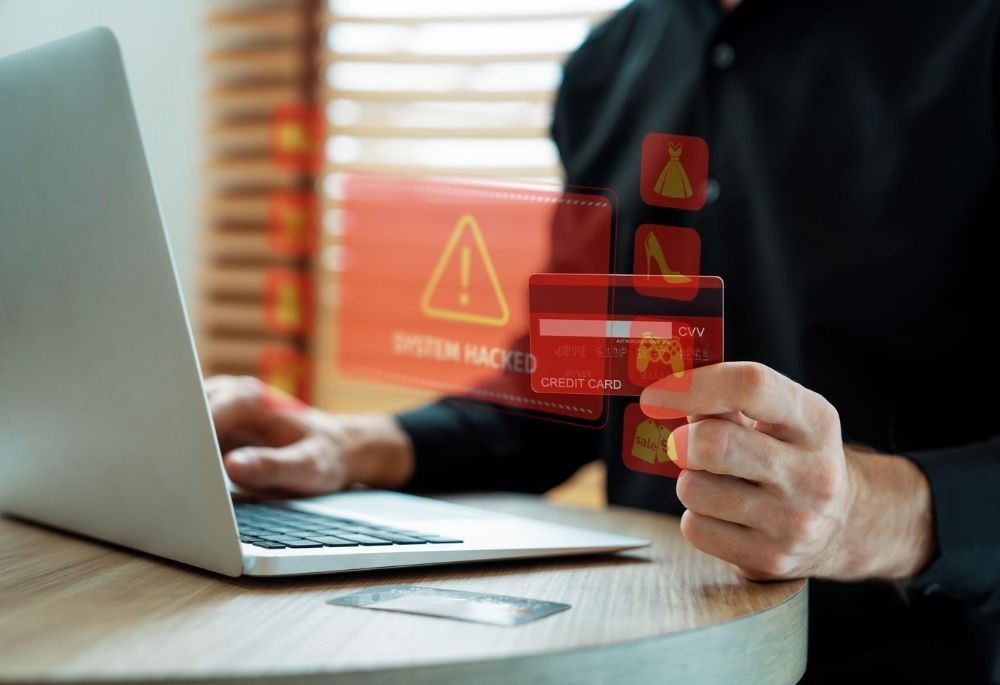
Gartner predicts that by 2026, 30% of enterprises will no longer consider face-biometric identity verification reliable on its own, because AI-generated deepfakes can undermine it. Gartner’s research also found that injection attacks, which feed synthetic video directly into a verification system rather than presenting a fake photo to a camera, grew 200% in a single year.
So the systems meant to prove who you are online are now the same systems attackers are working hardest to fool.
Can you avoid digital interactions altogether?
Realistically, no. Banking, healthcare, government services, hiring, and even routine shopping now assume a digital identity layer, and most businesses run on digital infrastructure by default. Opting out means opting out of most of modern life, not just social media.
So the sharper question isn’t whether to go digital. It’s whether to adopt AI at all, or hold back and assume caution alone keeps you safe.
For businesses, sitting out the AI shift carries its own cost. Competitors move faster on onboarding, fraud detection, and customer service, and slower manual processes turn into a competitive disadvantage rather than a safety net. This applies to enterprises of any size, not just large ones with dedicated security teams.
Missing the AI wave doesn’t remove risk either, since attackers already use AI to generate deepfakes and automate fraud regardless of what a target business chooses to adopt. A business that skips AI-powered defenses ends up fighting AI-driven attacks with pre-AI tools, which is a weaker position, not a safer one. The real safeguard isn’t avoiding AI; it’s choosing AI built specifically to detect and stop AI-driven threats.
How do you stay safe without opting out?
That same logic scales down to individual habits: safety comes from choosing the right defenses, not from opting out of digital life. Start with the basics, since Microsoft’s own security research found that enabling multi-factor authentication blocks over 99.9% of automated account compromise attempts, even when an attacker already has your password.
Beyond MFA, three habits matter most:
- Verify the platform before you share any personal or financial data.
- Use unique credentials for each service, so one breach doesn’t cascade into others.
- Treat urgency as a warning sign. Any request that pushes you to act immediately is a reason to slow down, not speed up.
None of this eliminates risk, but it shifts the odds meaningfully in your favour.
How AI, biometrics, and digital identity work together
No single layer can carry the weight of proving “this is really you” anymore. That’s why modern identity assurance combines three things working in concert.
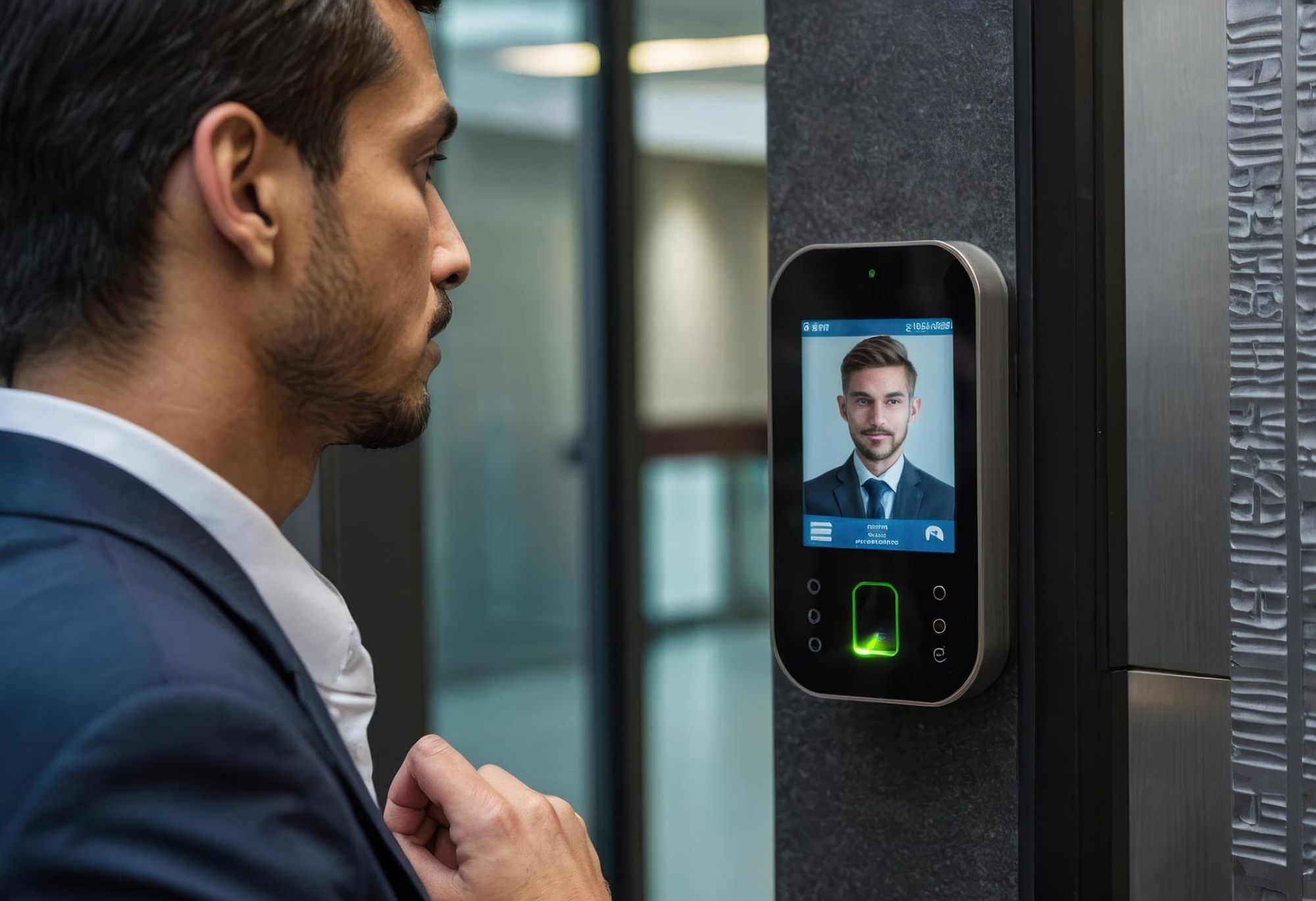
Digital identity establishes a verified, reusable record of who someone is, built once and checked consistently across services. Biometrics ties that record to a physical trait, a face, a fingerprint, or a voice, that is far harder to steal or fake than a password. AI sits on top of both, watching for the subtle signs of manipulation: injected video, synthetic faces, or behavioural patterns that don’t match a genuine human session.
This layering matters because attackers have adapted. The injection attacks Gartner tracks are exactly why liveness detection has become a core requirement rather than an optional add-on: a system that only checks a photo or a static profile has no way to tell a live person from injected video. AI-powered liveness checks look for cues a static photo or a replayed video cannot reproduce: micro-movements, depth, and response to real-time prompts.
Achieving Digital Identity Assurance
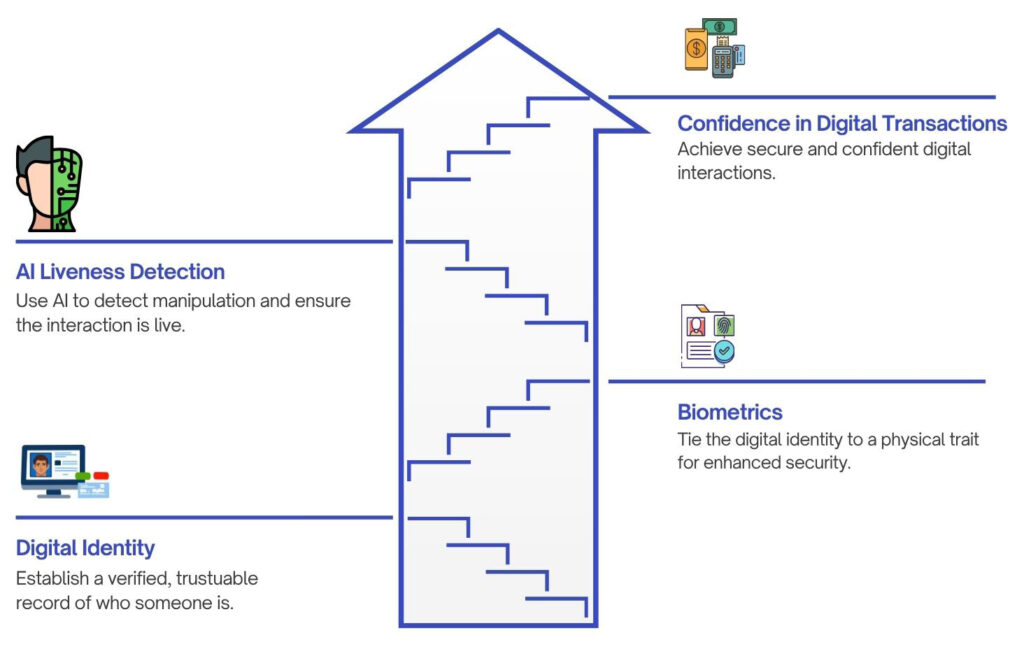
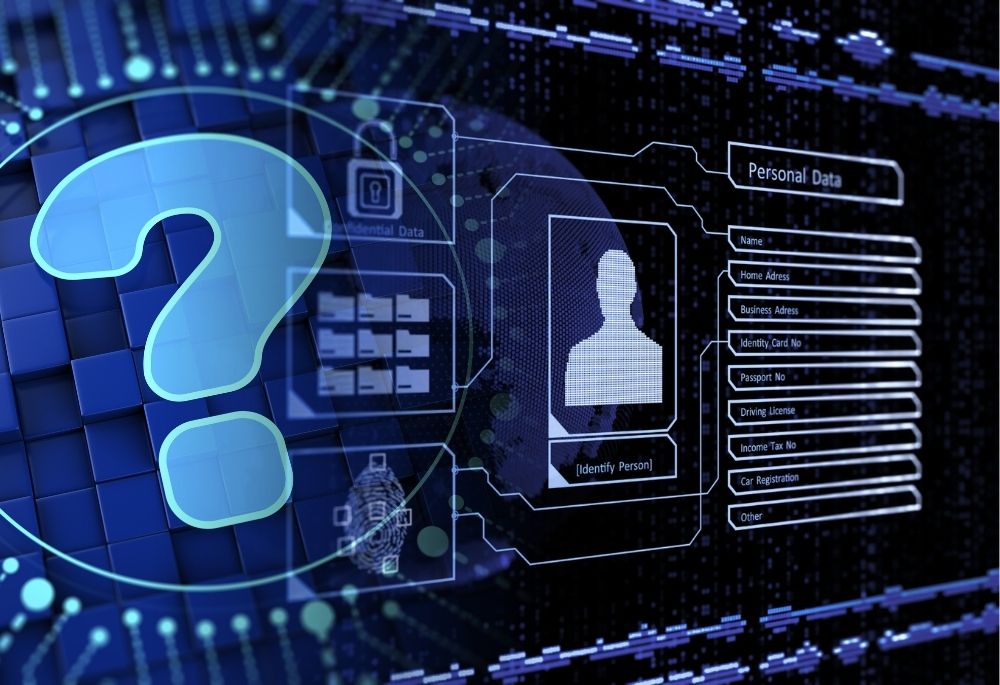
Put together, this combination does what no single control can do alone. Digital identity answers “who is this,” biometrics answers “is this really them,” and AI answers “is this happening live, right now, without manipulation.” That’s the assurance layer that lets you keep transacting, banking, and onboarding digitally with confidence, instead of opting out.
Building that trust layer with TrueID
Digital trust isn’t something users should have to take on faith. It should be engineered, verified, and continuously monitored.
TrueID builds exactly that layer: AI-backed biometric authentication, liveness detection, and digital identity management designed to stop synthetic and deepfake fraud before it reaches your systems. If you’re evaluating how to strengthen identity assurance across onboarding, login, or KYC workflows, explore TrueID’s identity and security solutions to see how AI, biometrics, and identity verification can work together for your organization.