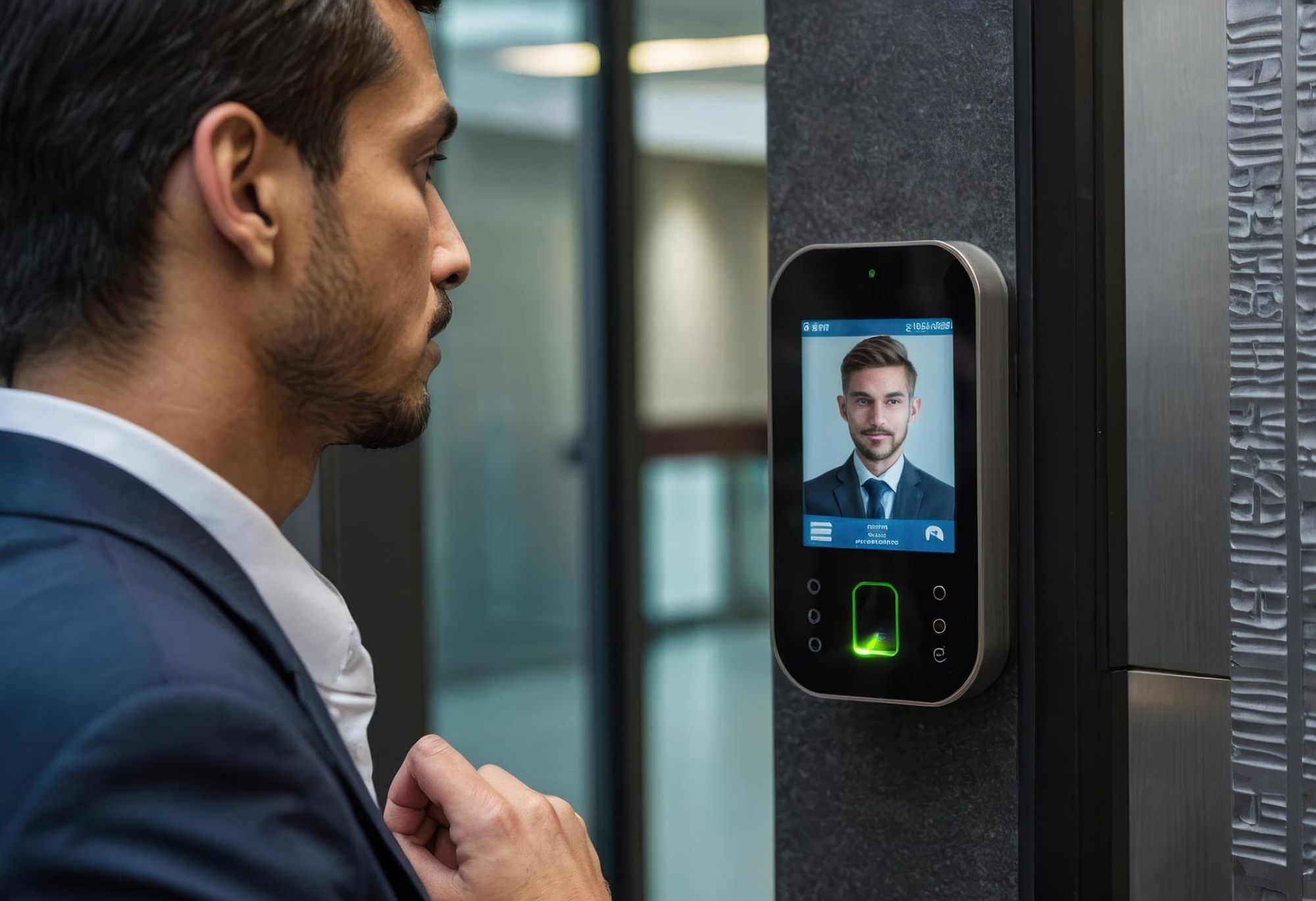
Biometric passports are the next generation of travel documents and are poised to replace traditional passports shortly. Here’s everything you need to know about them.
Biometric passports, also known as e-passports, are travel documents that contain an embedded chip that stores the passport holder’s biometric data. This data includes a facial image and, in some cases, fingerprints.
The biometric data stored on the chip can be used to verify the passport holder’s identity when they are entering or exiting a country. This makes biometric passports much more difficult to forge than traditional passports.
Are biometric passports mandatory?
No, biometric passports are not currently mandatory. However, an increasing number of countries are beginning to require them for entry. The United States, for example, requires all travelers to have a biometric passport when entering the country.
What are the benefits of biometric passports?
There are a number of benefits associated with biometric passports. Perhaps the most significant is that they help to combat passport fraud.
In addition, biometric passports make it easier for travelers to cross borders. With traditional passports, travelers often had to fill out forms and have their documents checked by border officials. With biometric passports, the process is much simpler and can be done electronically.
Finally, biometric passports provide increased security for travelers. If a passport is lost or stolen, the holder’s biometric data can be used to cancel the passport and prevent it from being used for travel.
Are there any downsides to biometric passports?
There are a few potential downsides to biometric passports. First, the cost of producing biometric passports is higher than traditional passports. Second, some people may be concerned about the privacy implications of storing their biometric data on a passport.
Overall, however, the benefits of biometric passports are likely to outweigh the drawbacks. In the coming years, biometric passports are expected to become the standard international travel document.
How do I get a biometric passport?
If you’re interested in getting a biometric passport, you’ll need to undergo a passport application process. This process is similar to the process of applying for a traditional passport, but you’ll need to provide additional information about yourself. Also, you will need to check if the biometric passport is approved in your country and is in existence. As this concept is just gaining visibility, its adoption is expected to grow in the next decade or so.
When you apply for a biometric passport, you’ll be asked to provide your fingerprints and iris scans. You may also be asked to provide other biometric data, such as your face, voice or your signature. The specific requirements will vary from country to country.
Once you’ve provided all of the necessary information, you’ll need to have your passport application processed. This can take a few weeks, so it’s important to plan ahead. Implementing biometric passport concept calls for experience and expertise of having delivered large scale identity projects. For more information, please write to info@trueid.in.