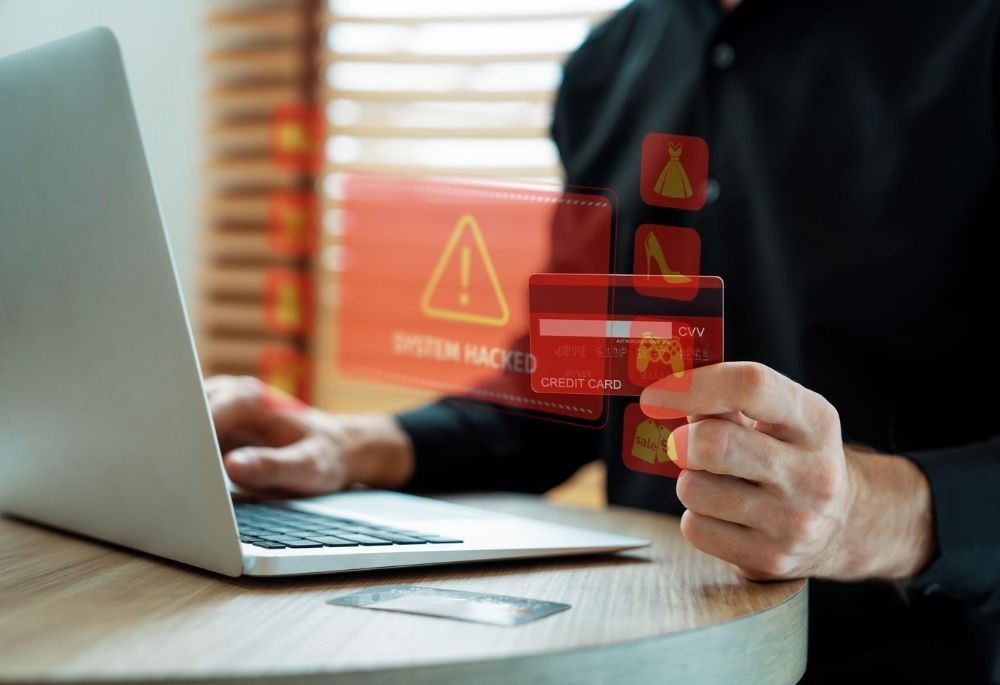
Smart cards are cards that have a built-in integrated chip carrying information. These can be made of plastic or metal and can be used either by physical contact or wireless connectivity.
A smart card holds sensitive information, which can be the balance amount and account information on credit or debit cards. There are two modes of payment with smart cards:
- Contact payment: This is when the merchant swipes a credit or debit card for payment or when the card is used for an ATM transaction.
- Contactless payment: This is used for online money transfers or purchases from e-commerce websites.
Steps of the payment process
Here we will see a simple overview of what happens behind the scenes when you make a payment using a smart card. Before we hop on to the process, there are some important terms that you need to know about:
- Acquirer: A financial institution licensed by the payment network to be able to accept payments on that network. This can also be called the merchant bank.
- Issuer: It is a financial institution like a bank, retailer, or government entity that issues a credit or debit card to a consumer or a business.
- Payment network: There are various payment networks available. The most commonly used are Visa and Mastercard.
Now that we know about these terms, let’s look at the payment process step-by-step:
- Customer payment: The customer buys goods from a seller and pays with a card.
- Payment authentication: The merchant’s Point of Sale (POS) system gathers the customer’s banking data from the card and sends it to the merchant bank or acquirer.
- Transaction submitted: The acquirer asks the payment network to get authorization from the customer’s issuer.
- Authorization requested: The payment network submits the payment details to the issuer for authorization.
- Authorization response: The issuer authorizes the payment and sends a response to the seller.
- Seller payment: The issuer then directs the transfer of money to the acquirer. The acquirer then deposits the money in the seller’s account.
This process, although looks complex, is completed in a matter of a few seconds. This makes card payment one of the fastest and most convenient modes of payment, as it is very easy to carry, too. The process is nearly the same for debit, credit, or any retailer-issued smart cards.
Conclusion
Smart cards have a lot of other applications; however, they are most widely used for cashless payments. They are small, easy to carry, and consume very less power. These are some of the many advantages that make them a very commonly used commodity. For more information, please write to us at info@trueid.in or visit www.trueid.in