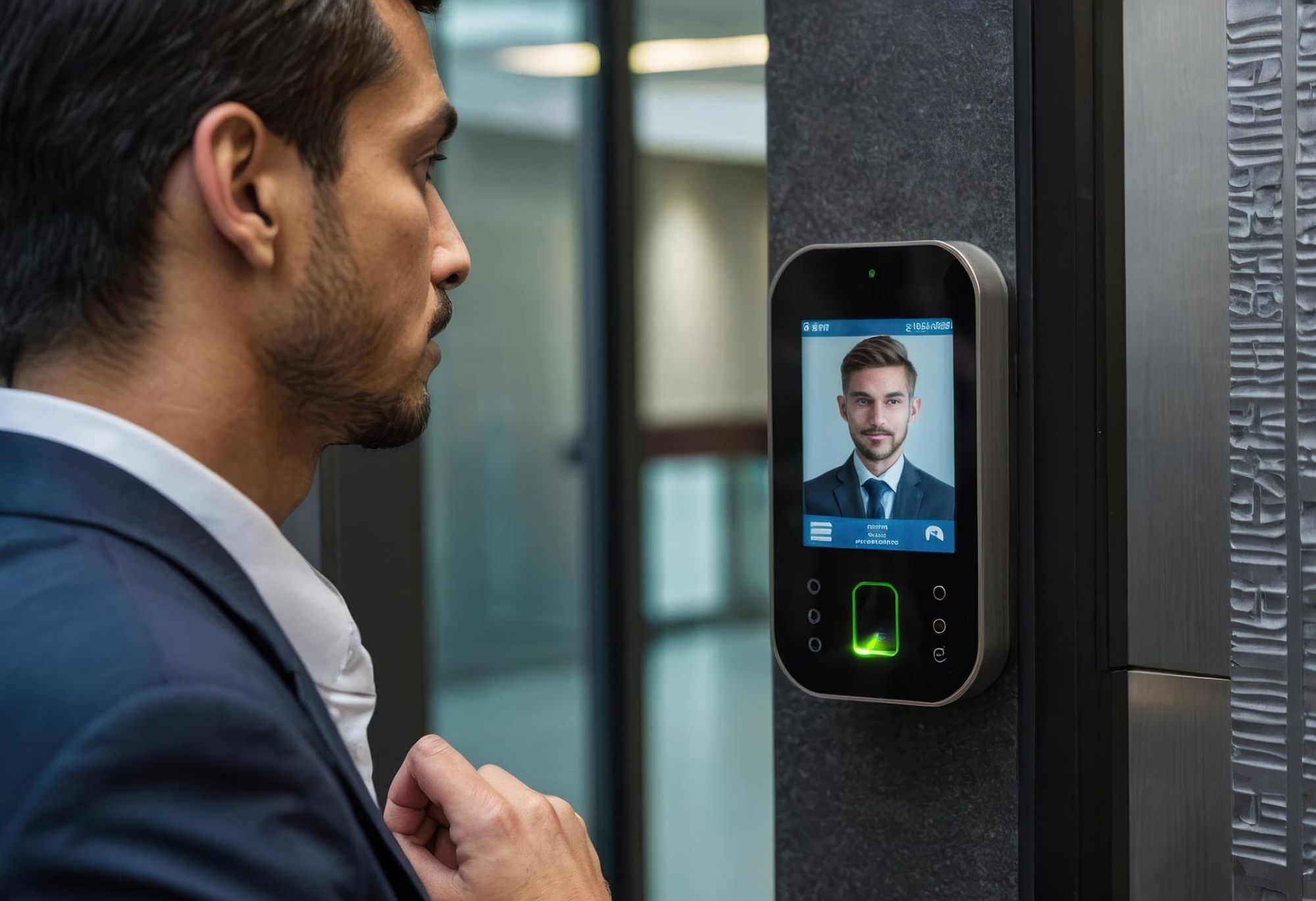
In the race to find a vaccine for the coronavirus, many biotech firms are examining whether biometrics can help recognize asymptomatic COVID-19 patients? Why is this important? Most individuals who get infected by the coronavirus infection are asymptomatic. This means they do not develop any signs or symptoms of the virus. If they do exhibit symptoms, these are very mild and often mimic the common cold. This will unknowingly spread the virus. Asymptomatic individuals make-up a large percentage of people who have the coronavirus. Many of them do not know they have it!
Biometric Technology
Biometric experts and companies are proposing solutions that may curb the spread of the Covid-19 infection from asymptomatic patients. The best place this can be implemented is at the airports as a quick health scanning system designed to assist major airlines in identifying asymptomatic carries of COVID-19. As per last year’s statistics, major airlines collectively carried close to 650 million international passengers. If this concept is successful, it will enable all countries to reopen their international travel services.
Current biometric technologies mostly focus only on temperature scans. Temperature scans alone will not do to identify asymptomatic individuals. A non-invasive and quick approach is needed to instantly identify asymptomatic individuals. Current proposals of leveraging biometrics to identify asymptomatic individuals are focusing on an instant and quick approach.
The proposed solution by the biometric community relies on two key technologies- custom designed Ultrasound for multi-modal biometric identification or CMUT and Near Infrared light transducer (NIR).
How will it work?
When an individual’s vascular network is scanned to confirm their identity, the other two technologies will note alterations in the person’s oxygen-carrying capacity and blood vessel morphology. Both of these factors are greatly reduced in asymptomatic carriers. Once these individuals are identified, they will be required to undergo a secondary RT-PCR screening process before the authorities are notified about the suspected asymptomatic carrier.
Currently, the solution is under R&D and hopefully, it should be successfully implemented very soon. TrueID makes an effort to bring the far and wide abilities of biometric innovations to your notice. TrueID joins the rest of the world in congratulating the teams who are working on this concept and also wish them all the best. This solution has the potential to bring the world back to normal.