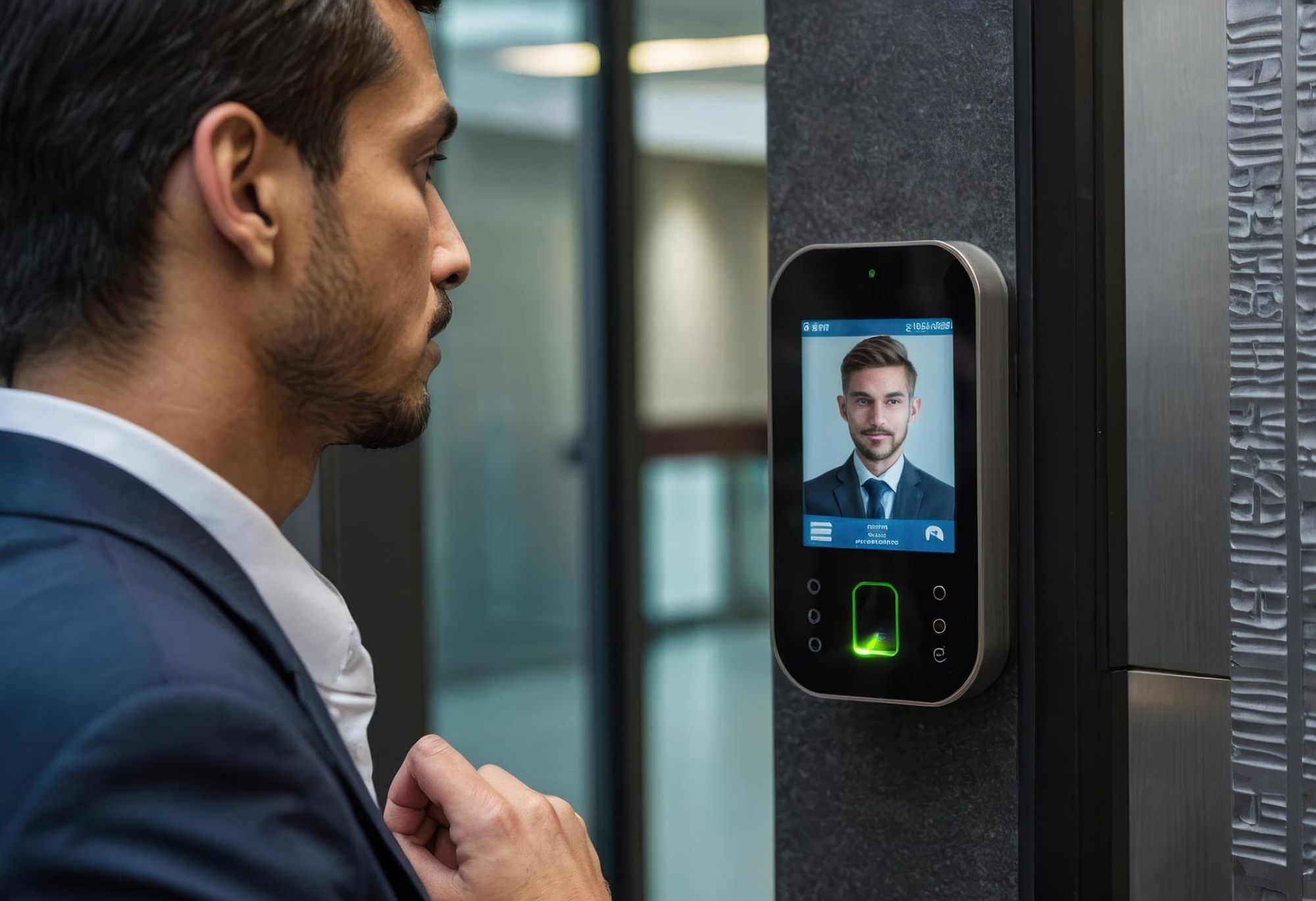
Safeguarding your information with a complex password is not sufficient for preventing a data breach. Instead of opting for a “something you know” type password, companies are now relying upon “something you are” security keys such as your facial patterns, fingerprints, retina scans; in other words, biometrics. This works as a multi-factorial authentication method.
Biometric authentication as a form of identity management is a common workplace practice, particularly in the government and financial services sector. Customers and employees are reluctant in complying with these new security measures because they cannot change their facial features or fingerprints as easily as they can change a password or obtain a new identification badge.
If your organization is considering adopting new identity management systems like biometrics, then you need to know how to safely access and store this information to prevent identity theft.
Here are four ways your organization can secure its biometric data:
1. Restricted Use
When implementing a biometric system, your employees are going to wonder, “Who has access to the fingerprint database?” The ideal answer should be a handful of people with limited or privileged access to employee and company data. The fewer the number of people with access to employee biometrics, the more enhanced security.
2. Encrypt All Data
This is a necessary step for every company that implements biometric identity management. Encryption can be achieved by using cryptographic keys. When you encrypt data such as facial geometry, fingerprints, voice scans, etc., your organization will prevent scammers and outsiders from using or replicating employee biometric details.
3. Selection Of Biometric Data
There are a few risks involved with using biometric data. Your company must evaluate if this system is required for the data you’re hoping to store. Not every type of data requires biometric protection. The less data you need to save, the less risk you will create. Prioritize which types of data need biometric protection.
4. Implement An Identity And Access Management Solution
Businesses rely on biometrics as a part of a multi-step authentication system. In this method, biometric technologies, passwords and other factors are combined to limit access to vital information. By implementing an identity and access management solution, you will be aware of who is accessing protected information. This solution will notify admin officials if an unauthorized or suspicious user attempts to log into your company account.
Through a well-planned and implemented biometrics identity management program, companies and governments can safely store vital employee and customer data.
For more information, please write to us at info@trueid.in